Strength matters. But strength alone is not always enough.
When an athlete sprints, jumps, throws, changes direction, or explodes out of the bottom of a squat, they are demonstrating more than raw strength. They are demonstrating power.
Although the terms are often used interchangeably, strength and power are not the same.
Strength is the ability to produce force. Power is the ability to produce force quickly.
A powerlifter grinding through a heavy deadlift demonstrates tremendous strength. A basketball player driving toward the rim or a linebacker accelerating off the line demonstrates power.
Both qualities are trainable. But for most athletes, power is what turns the strength built in the weight room into better performance.
Why Explosive Power Matters
Very few sports give athletes unlimited time to display their strength. Instead, athletes must produce force in fractions of a second.
They need to:
- Accelerate faster
- Jump higher
- Change direction quickly
- React to an opponent
- Throw with greater force
- Produce power repeatedly under fatigue
A stronger squat, deadlift, or press provides an essential foundation. Explosive training teaches the body to apply that strength at higher speeds.
In simple terms, power makes strength usable when performance demands speed.
Building Explosive Strength
Power training does not replace traditional strength training. It builds on it.
An athlete cannot express force quickly without first developing the ability to produce force. That is why effective athletic performance programs combine heavy compound lifts with movements designed to improve speed, coordination, and explosiveness.
Squats, deadlifts, presses, and pulls build the athlete’s strength base. Jumps, throws, swings, and Olympic lifting variations train the body to use that strength faster.
The strongest athletes do not choose between strength and power. They train both.
American Barbell equipment is designed to support that complete approach, from heavy strength work in the rack to explosive movements performed on the platform.
The Best Training Tools for Developing Power
Explosive training does not need to be complicated, but every repetition should be performed with purpose. The goal is to move quickly while maintaining control, sound mechanics, and consistent technique.
Medicine Ball Throws and Slams
Medicine ball exercises are among the most effective tools for developing total-body power.
Unlike many traditional lifts, medicine ball movements allow athletes to accelerate through the entire range of motion without slowing the implement down at the end.
Effective options include:
- Rotational throws
- Chest passes
- Overhead throws
- Scoop tosses
- Medicine ball slams
These movements can improve rotational power, upper-body explosiveness, coordination, and the ability to transfer force through the entire body.
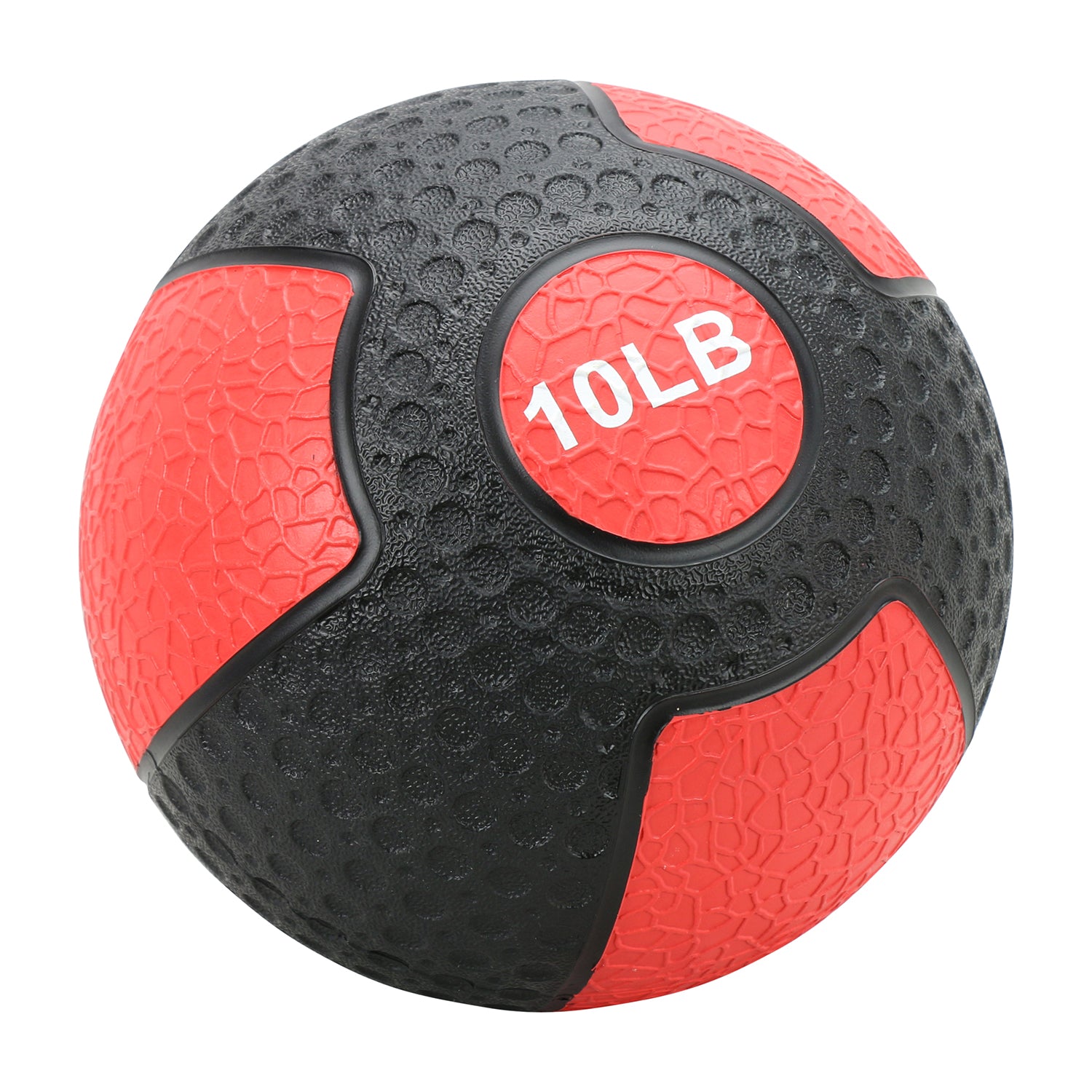
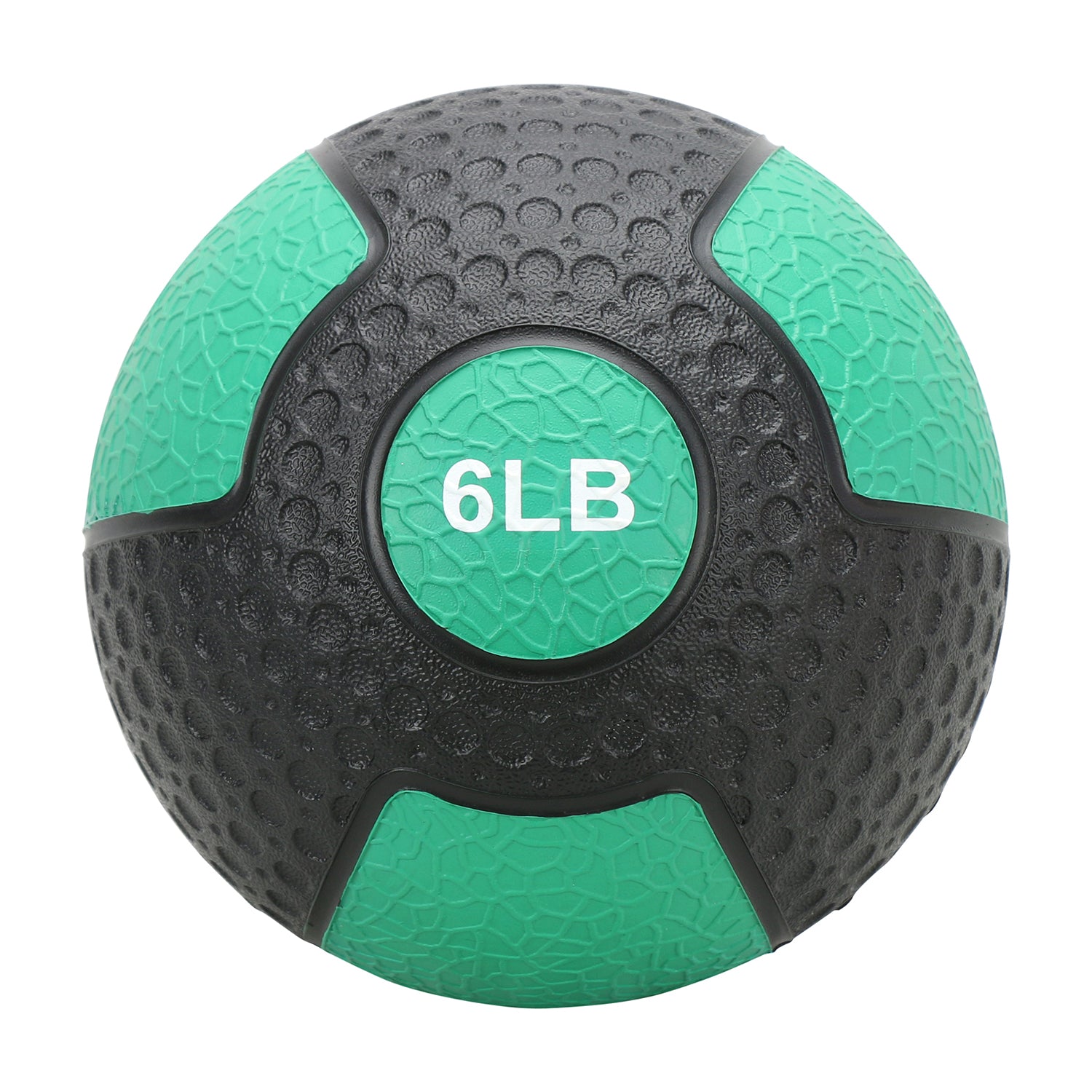
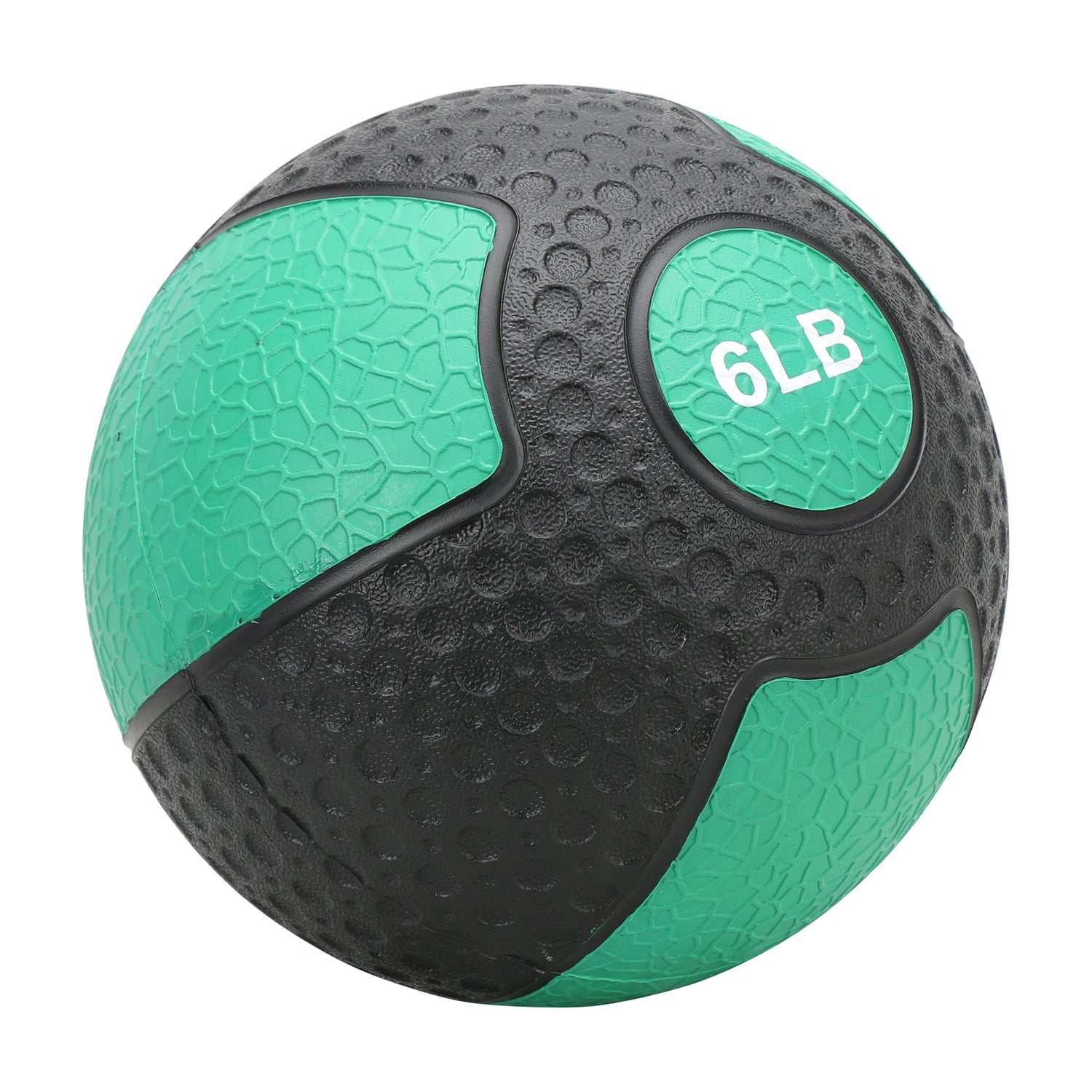
American Barbell medicine balls are a versatile addition to performance facilities, team training spaces, and home gyms built for serious athletic development.
Kettlebell Swings
Few exercises combine strength, speed, and conditioning as effectively as the kettlebell swing.
Swings develop explosive hip extension while strengthening the glutes, hamstrings, and posterior chain. They also reinforce proper hinge mechanics and teach athletes to generate force through the ground.
Kettlebells can also be used for cleans, snatches, carries, and presses, giving coaches and athletes multiple ways to train power without requiring a large footprint.
American Barbell kettlebells are built for consistent performance through demanding training sessions, making them a valuable tool for developing explosive strength and work capacity.
Plyometric Training
Plyometric exercises train the body to absorb force and produce it again quickly.
Jumps, bounds, hops, and reactive drills can improve rate of force development, coordination, acceleration, and overall athleticism. They also teach athletes how to land, stabilize, and transition efficiently into the next movement.
Common plyometric exercises include:
- Box jumps
- Broad jumps
- Lateral bounds
- Depth drops
- Single-leg hops
- Hurdle jumps
Plyometric training should prioritize quality over fatigue. Once jump height, landing mechanics, or speed begins to decline, the athlete is no longer receiving the same power-building benefit.
Olympic Lifting Variations
Olympic lifts have long been used in athletic performance programs because they require athletes to produce significant force at high speeds.
Movements such as hang cleans, power cleans, high pulls, push presses, and snatches develop coordination, timing, and full-body explosiveness. Coaches can also use simplified variations to make Olympic lifting more accessible to athletes with different skill levels.
High-quality Olympic bars, bumper plates, platforms, and racks are essential when these movements become part of a performance program.
American Barbell designs strength equipment for consistent rotation, dependable performance, and the demands of high-volume training environments.
How to Add Power Training to Your Program
Explosive movements are most effective when athletes are fresh enough to perform them with speed and precision.
Depending on the athlete’s goals, power exercises can be performed:
- Near the beginning of a workout
- Before a related strength movement
- In a separate power-focused session
- As part of a contrast or complex training program
For example, an athlete might pair box jumps with squats, medicine ball chest passes with bench presses, or kettlebell swings with deadlifts.
The goal is not simply to move faster. It is to produce maximum force with intent while maintaining control and proper technique.
Quality Matters More Than Fatigue
Power training is not conditioning disguised as explosive work.
As fatigue increases, movement speed decreases and technique often begins to break down. At that point, the session may continue building endurance, but it is no longer developing maximum power as effectively.
Keep explosive sets focused. Allow enough recovery between efforts to maintain speed, coordination, and force production.
Every repetition should look powerful.
Build a Training Space That Supports Performance
Developing strength and power requires more than a random collection of equipment. Athletes and coaches need a training environment that supports heavy compound lifting, explosive movement, progressive programming, and consistent performance.
American Barbell provides commercial-grade strength and performance equipment for athletes, coaches, schools, training facilities, and home gym owners who expect more from every session.
From Olympic bars, bumper plates, racks, and platforms to kettlebells and medicine balls, American Barbell equipment is built to help athletes develop the strength they need and the power to use it.
Turn Strength Into Performance
Adding explosive movements to a training program does not mean abandoning heavy lifting. It means expanding athletic capability and teaching the body to produce force when speed matters most.
Because strength is impressive.
But strength that moves changes performance.
Build Your Power With American Barbell
Create a training environment designed for serious strength, speed, and athletic development.
Explore American Barbell’s performance equipment and build a setup that can handle every heavy lift, explosive repetition, and performance goal.