Ask someone what comes to mind when they hear the word “core,” and chances are they’ll picture six-pack abs, crunches, or endless planks.
For serious strength athletes, that definition barely scratches the surface.
Your core is not a single muscle or simply the visible muscles of your midsection. It is a system of muscles that stabilizes your spine, connects your upper and lower body, and helps you transfer force efficiently through every movement you perform.
Whether you’re squatting, deadlifting, pressing, sprinting, or carrying weight, core strength plays a critical role, often long before you consciously feel those muscles working.
Your Core’s Most Important Job
Contrary to popular belief, your core is not designed primarily to create movement.
More often, its job is to resist unwanted movement.
When you squat with a heavy barbell, your core helps prevent your torso from collapsing forward. During a deadlift, it stabilizes your spine while your hips generate force. When you carry an uneven load or press weight overhead, your core works to resist rotation and maintain balance.
This ability to create stability allows the rest of your body to produce power efficiently.
Without a stable foundation, strength has nowhere to go.
Why Core Stability Improves Your Lifts
Nearly every compound exercise depends on core stability and proper bracing.
A stronger core can help you maintain better positioning throughout a squat, create a more stable platform for pressing, improve control during rows, and move more efficiently during loaded carries.
Perhaps most importantly, it helps eliminate unnecessary movement that can rob you of power.
The goal of core training is not simply to make your midsection stronger. It is to improve how your entire body works together so you can produce, control, and transfer force more effectively.
Better core stability supports better movement, and better movement creates the foundation for stronger lifts.
How to Train Your Core for Strength and Performance
If crunches are the only core exercise in your training program, you may be leaving performance on the table.
Effective core training should challenge your ability to stabilize your spine and resist unwanted extension, rotation, and lateral movement.
Exercises that build functional core strength include:
- Loaded carries
- Landmine presses and rotations
- Pallof presses
- Kettlebell front-rack holds
- Medicine ball throws
- Unilateral exercises
- Properly braced squats and deadlifts
These movements teach your body to create and maintain tension while force is being generated around it. That is much closer to how your core functions during strength training, sports, and everyday movement.
You are not just building stronger abs. You are building a stronger, more capable athlete.
The Right Equipment Supports Better Core Training
Building core strength does not require dozens of complicated exercises. A few versatile pieces of strength training equipment can create nearly endless opportunities to improve stability, balance, power, and movement quality.
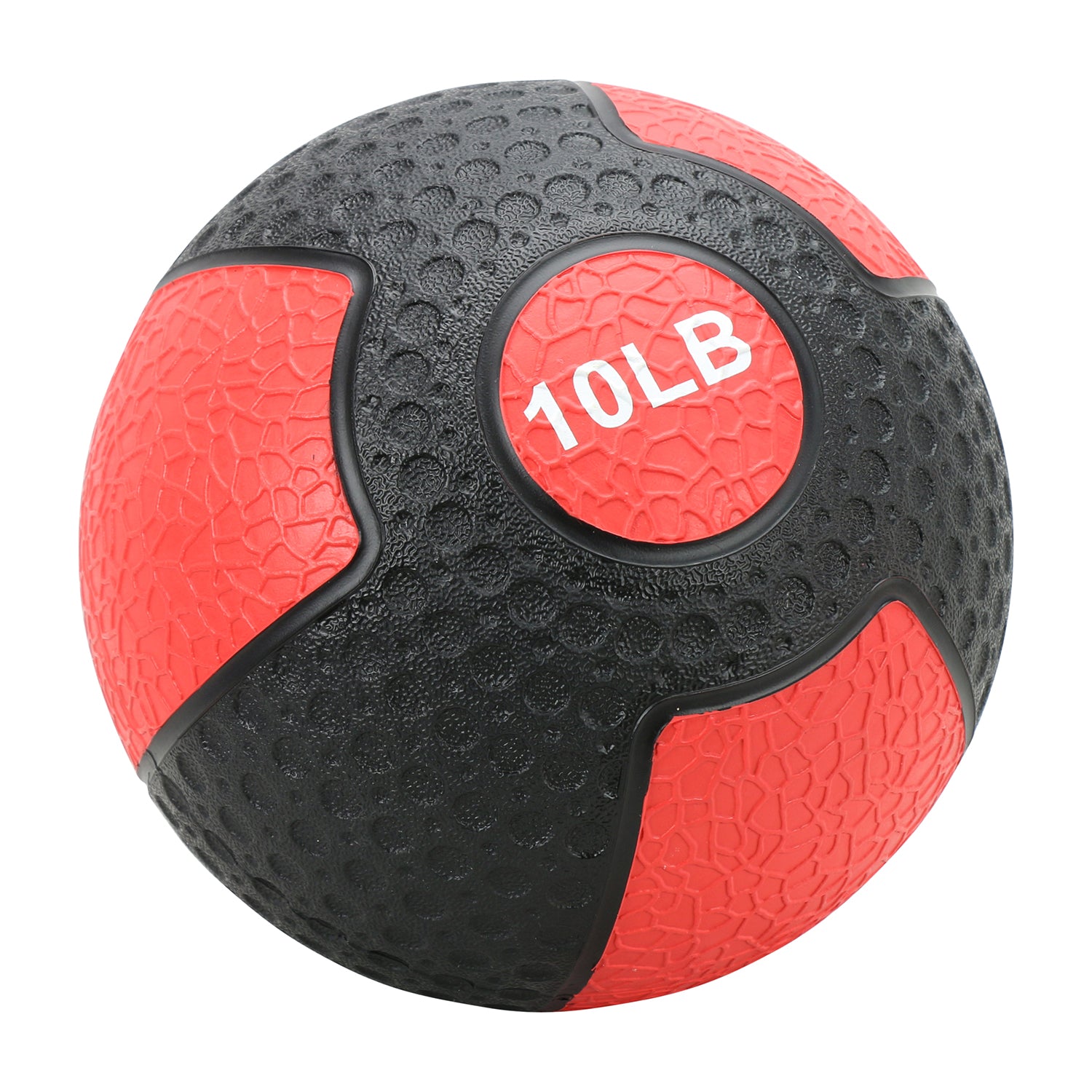
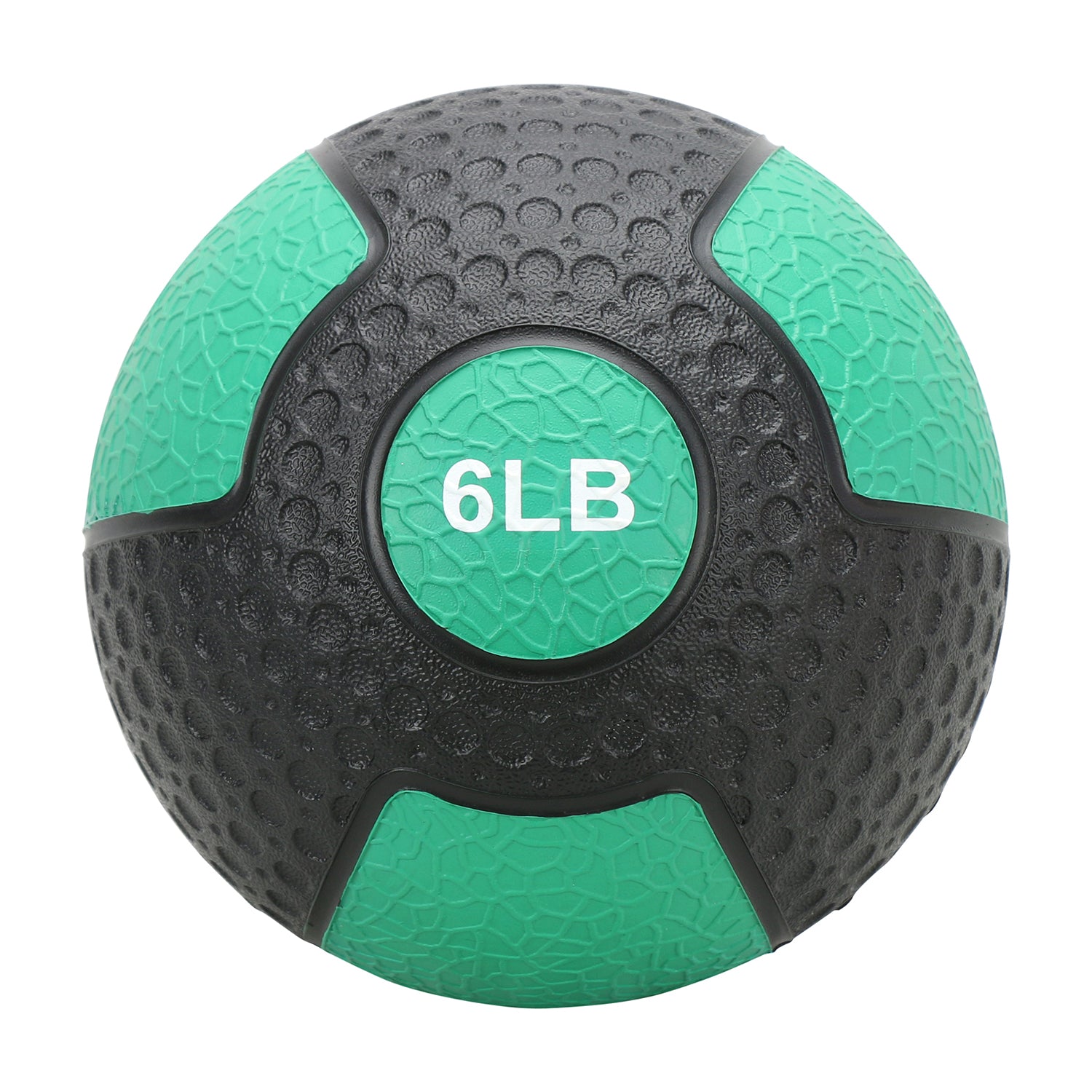
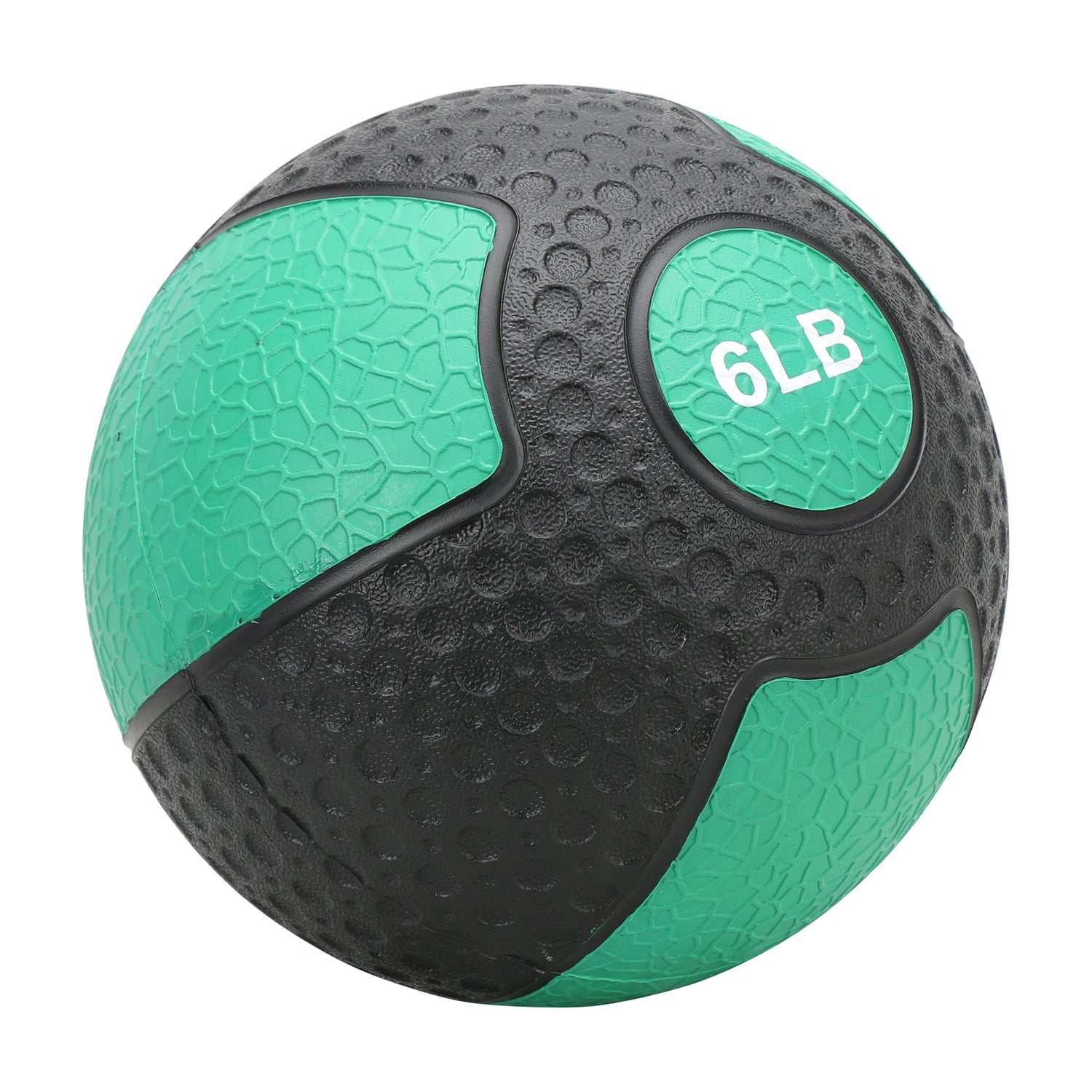
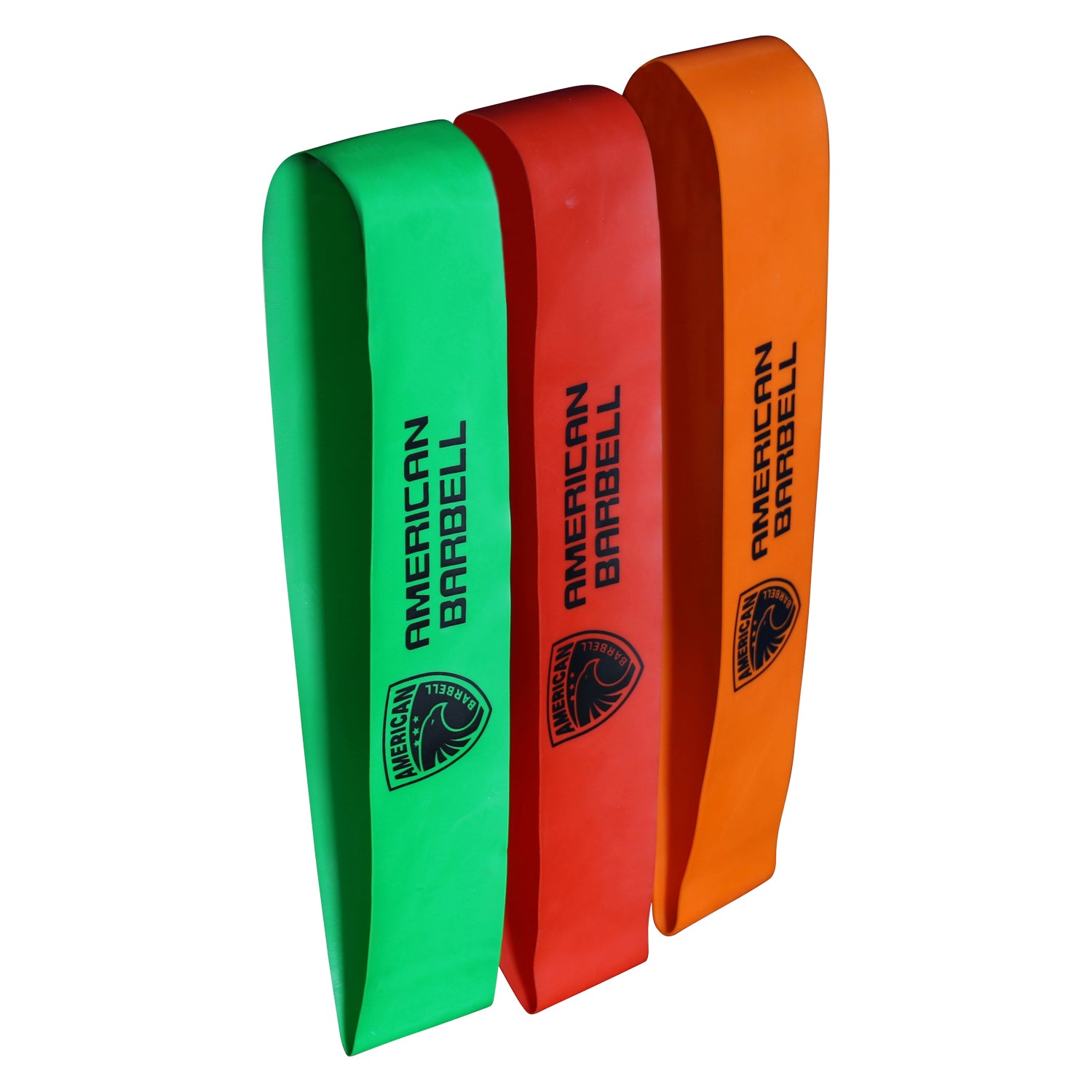
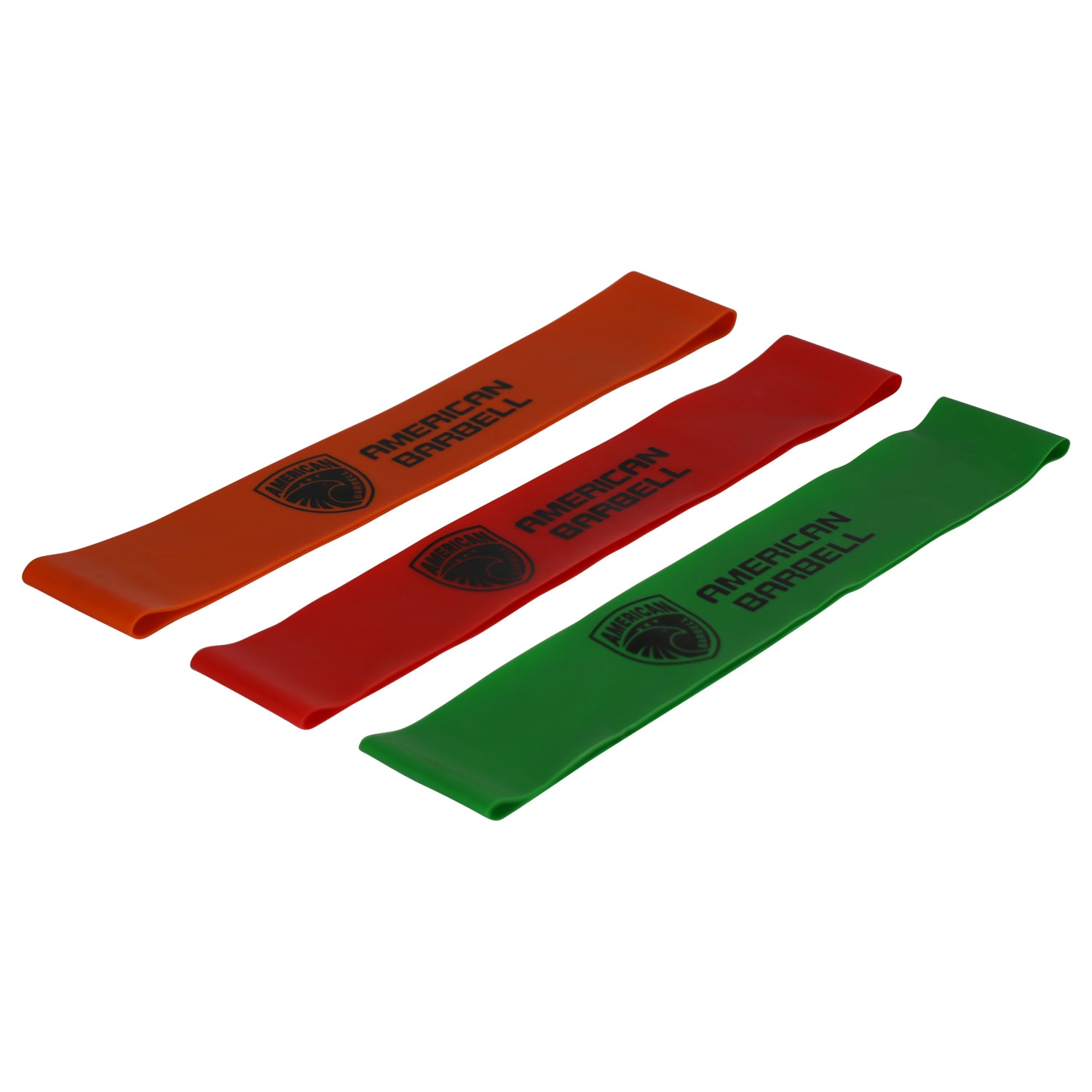
Medicine balls help develop explosive power and control. Resistance bands are ideal for anti-rotation exercises such as the Pallof press. Kettlebells challenge balance, grip strength, and unilateral stability. Landmine attachments introduce dynamic movement patterns that require your core to remain engaged through multiple planes of motion.
Barbells, plates, and racks also play an essential role. When used with proper technique, compound lifts teach the body to brace under load and transfer force as one connected system.
The goal is not simply to make your core work harder.
It is to teach it to work smarter.
Build Strength From the Center
Every great lift relies on a strong connection between your upper and lower body.
That connection starts with your core.
When you stop thinking about core training as a way to build visible abs and start viewing it as the foundation of strength and performance, your entire approach to training changes.
Better bracing. Better balance. Better force transfer. Better lifts.
Because real strength is not built from the outside in.
It starts at the center.
Build a Stronger Foundation With American Barbell
Ready to develop better stability, stronger movement, and more powerful lifts?
Explore commercial-grade strength training equipment from American Barbell and build a training environment designed to perform under pressure.